Finding Help with Mobility Aids:
Your Guide to Australian Government Subsidies
If you've ever felt overwhelmed trying to find financial help for mobility aids, you're not alone. Thousands of Australians need walkers, wheelchairs, scooters, and other equipment, but discovering what funding is available can feel like searching for a needle in a haystack. The good news? There's more help out there than you might think! 😊
Why Finding Subsidies Can Be So Tricky
Let's be honest—navigating government funding programs isn't always straightforward. Information is scattered across different websites, eligibility rules vary between programs, and it's not always clear which scheme applies to your situation. Many people simply don't know where to start, which means they miss out on the support they're entitled to receive.

Queensland's Medical Aids Subsidy Scheme (MASS)
Here's an avenue many Queenslanders don't know about! The Queensland Government runs MASS, which provides funding for medical aids and equipment to eligible Queensland residents.
Queensland's MASS program covers:
-
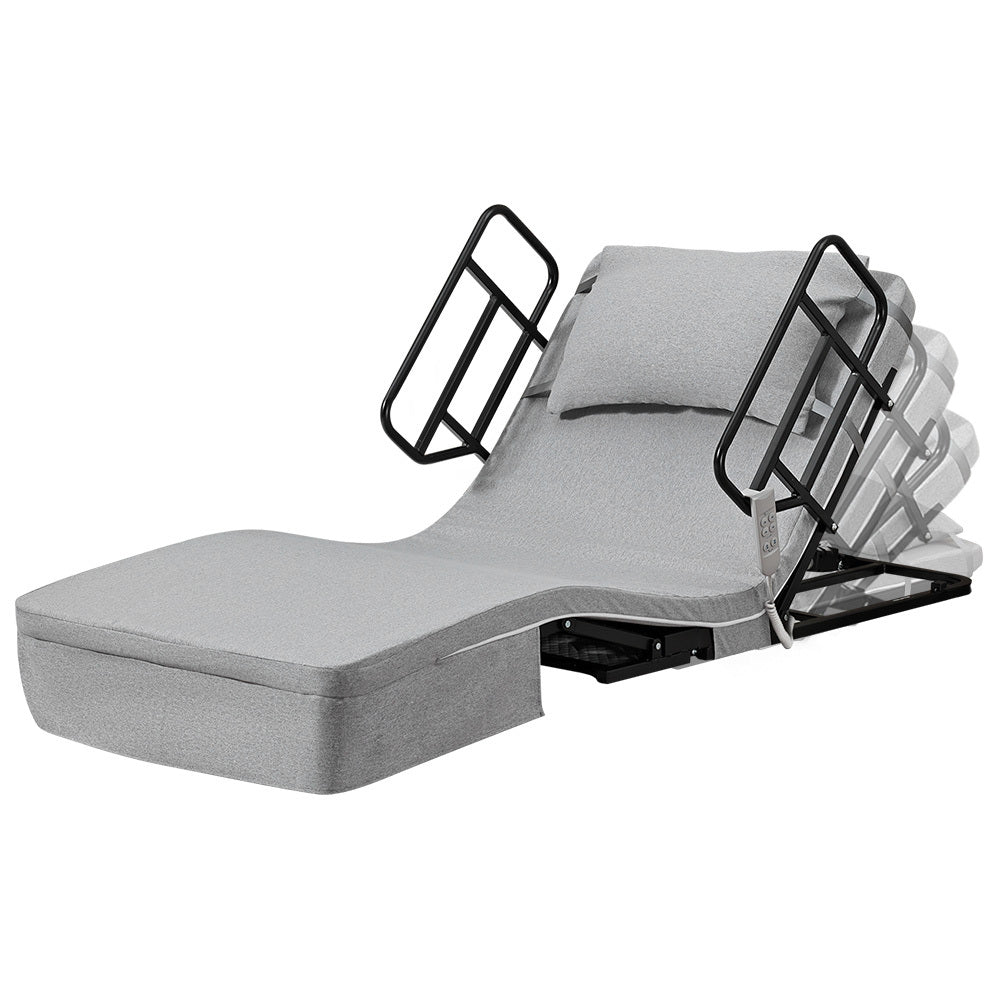
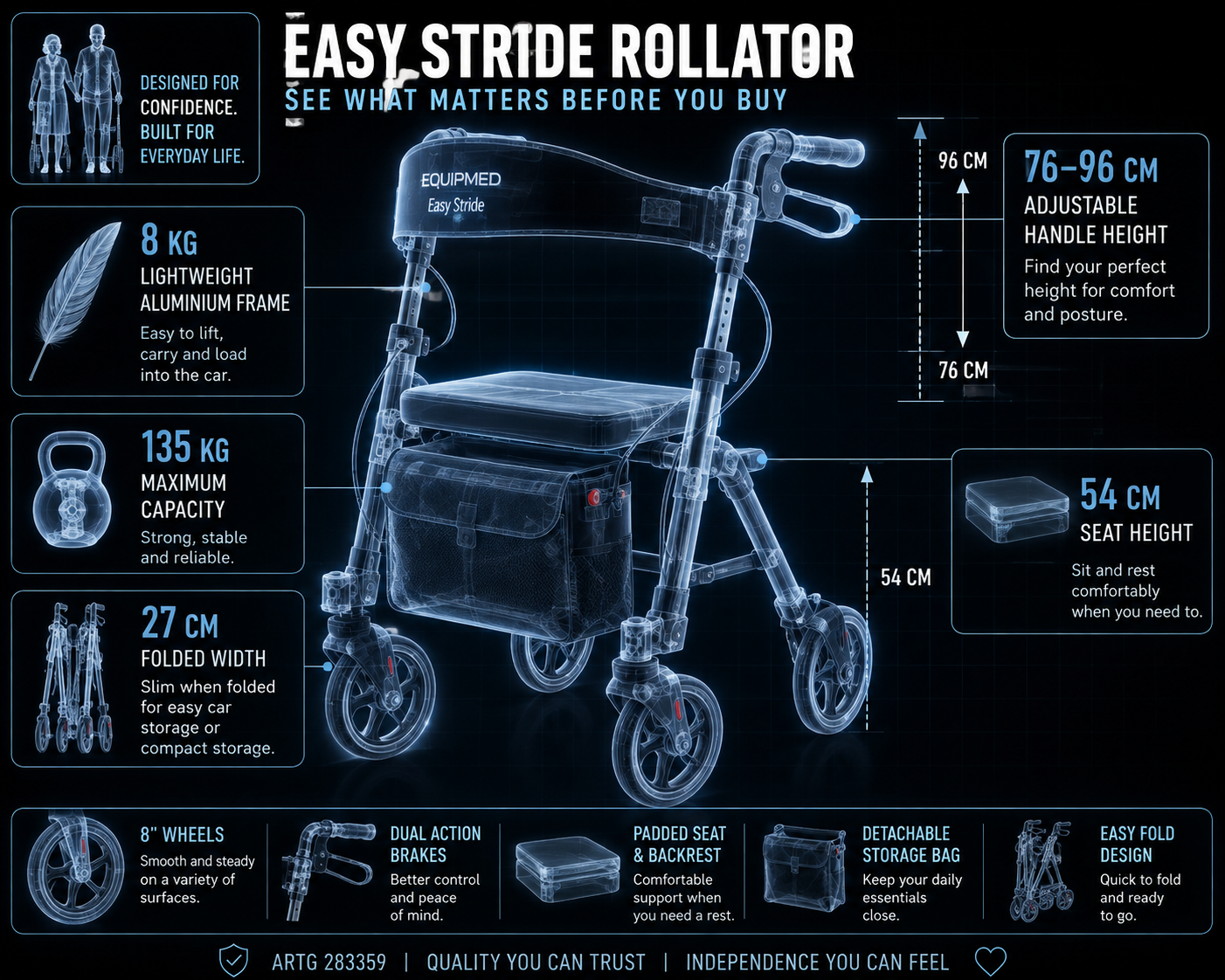
Daily living and mobility aids (walkers, wheelchairs, mobility scooters)
-
Continence aids
-
Communication aids
-
Home oxygen equipment
-
Medical grade footwear
To be eligible for MASS, you need to:
-
Be a permanent Queensland resident
-
Have a permanent or stable condition or disability
-
Hold a Pensioner Concession Card, Health Care Card, or Queensland Government Seniors Card
The scheme helps people stay living at home and avoid premature hospitalisation or residential care. Equipment is provided on a permanent loan basis, or you can choose ownership if you pay more than 50% of the cost.
Want to learn more? Visit the Queensland Government's official MASS page: https://www.qld.gov.au/health/support/equipment
The National Disability Insurance Scheme (NDIS)

State and Territory Equipment Programs
Each Australian state and territory runs its own aids and equipment program. These schemes often help people who aren't eligible for NDIS or need additional support.
Here's what's available across Australia:
New South Wales: EnableNSW provides assistive technology and services to NSW residents with permanent or long-term disabilities
Victoria: The Statewide Equipment Program (SWEP) offers subsidised aids, equipment, and modifications for Victorians with long-term disabilities or who are frail aged
South Australia: The SA Department of Human Services Equipment Program provides equipment and home modifications
Western Australia: The Community Aids and Equipment Program (formerly Indigo/Independent Living Centre WA) helps with equipment and home modifications
Tasmania: TasEquip provides medical aids and equipment to support everyday tasks
Northern Territory: The Territory Equipment Program assists with equipment, aids, and appliances
Australian Capital Territory: Programs and services support people with disability in the ACT

Support for Veterans and Their Families
The Department of Veterans' Affairs (DVA) Rehabilitation Appliances Program (RAP) provides mobility aids to eligible veterans, war widows/widowers, and their dependents.
DVA RAP covers:
-
Mobility devices like walking frames, wheelchairs, and electric scooters
-
Home modifications including ramps and bathroom accessibility improvements
-
Vehicle modifications for safer transport
Eligibility depends on holding a DVA Gold or White Card and having a clinically assessed need for the equipment.
Aged Care Support Programs
If you're 65 or older (or 50+ for Aboriginal and Torres Strait Islander people), several aged care programs can help.
The Support at Home Program (replacing Home Care Packages from November 1, 2025) will provide:
-
Assistive technology funding tiers: Low (under $500), Medium (up to $2,000), and High (up to $15,000)
-
A National Assistive Technology Loans Scheme for borrowing equipment
-
Faster access to walkers, wheelchairs, and other mobility aids
The End-of-Life Pathway offers up to $25,000 over 12 weeks for those with three months or less to live, helping people remain at home with dignity.
Other Financial Help
Mobility Allowance: This Centrelink payment helps with travel costs if you have a disability, illness, or injury that prevents you from using public transport without substantial help. You must be 16 or older and traveling for work, study, or job-seeking.
Continence Aids Payment Scheme (CAPS): Provides funds for adults with permanent or severe incontinence.
Essential Medical Equipment Payment: Offers funds to help with energy costs of running essential medical equipment at home.
How to Apply for These Programs
While each program has its own application process, here are some general steps:
-
Check your eligibility for the relevant program based on your age, location, and circumstances
-
See your healthcare professional (GP, occupational therapist, physiotherapist, or nurse) who can assess your needs and help complete applications
-
Gather required documents like your concession card, proof of residency, and medical assessments
-
Submit your application through the appropriate channel—many schemes now offer online applications
-
Wait for approval and follow up if you haven't heard back within the expected timeframe
For MASS in Queensland, approved clinicians submit applications online via MASS-eApply, making the process more streamlined.
Making the Most of Available Support
Don't let the complexity stop you from accessing help! Here are some tips:
-
Talk to your doctor or occupational therapist about what programs might suit your situation
-
Contact the Disability Gateway on 1800 643 787 for guidance on available services
-
Check your state's equipment scheme even if you're on NDIS—you might be eligible for additional support
-
Ask about rental or loan programs if you need equipment temporarily or want to try before buying
-
Look into charitable organisations like Variety, Lions, and Rotary, which sometimes offer grants for disability equipment
A Final Word of Encouragement
Remember, these programs exist to help you maintain your independence and quality of life. While the paperwork might seem daunting, thousands of Australians successfully access mobility aid funding every year.
Don't hesitate to ask for help navigating the system healthcare professionals, occupational therapists, and government support lines are there to guide you through the process. You've worked hard all your life, and you deserve access to the support that's available to you!
Contact your preferred vendor to help you find the right fit, maybe that's us!?
For Queenslanders specifically, that government page at https://www.qld.gov.au/health/support/equipment is a great starting point to explore what MASS can offer. Take that first step today, your future mobility and independence are worth it!
At MOBILITY TREE https://mobilitytree.com.au/collections/scooters
We are about "empowering movement and supporting independence".
Disclaimer - Information correct as of 19/10/2025


Jay —
What about Medicare? Do they cover costs for mobility aids?