There are many questions about the changeover from Home Care Packages to Support at Home that started on the 1st of November 2025.
Here are some points of interest extracted from the Australian Health Government website, the At Home Support Handbook.
I've added the links to these sites for more information, and your healthcare provider can also give more insight.
Support at Home Program Overview
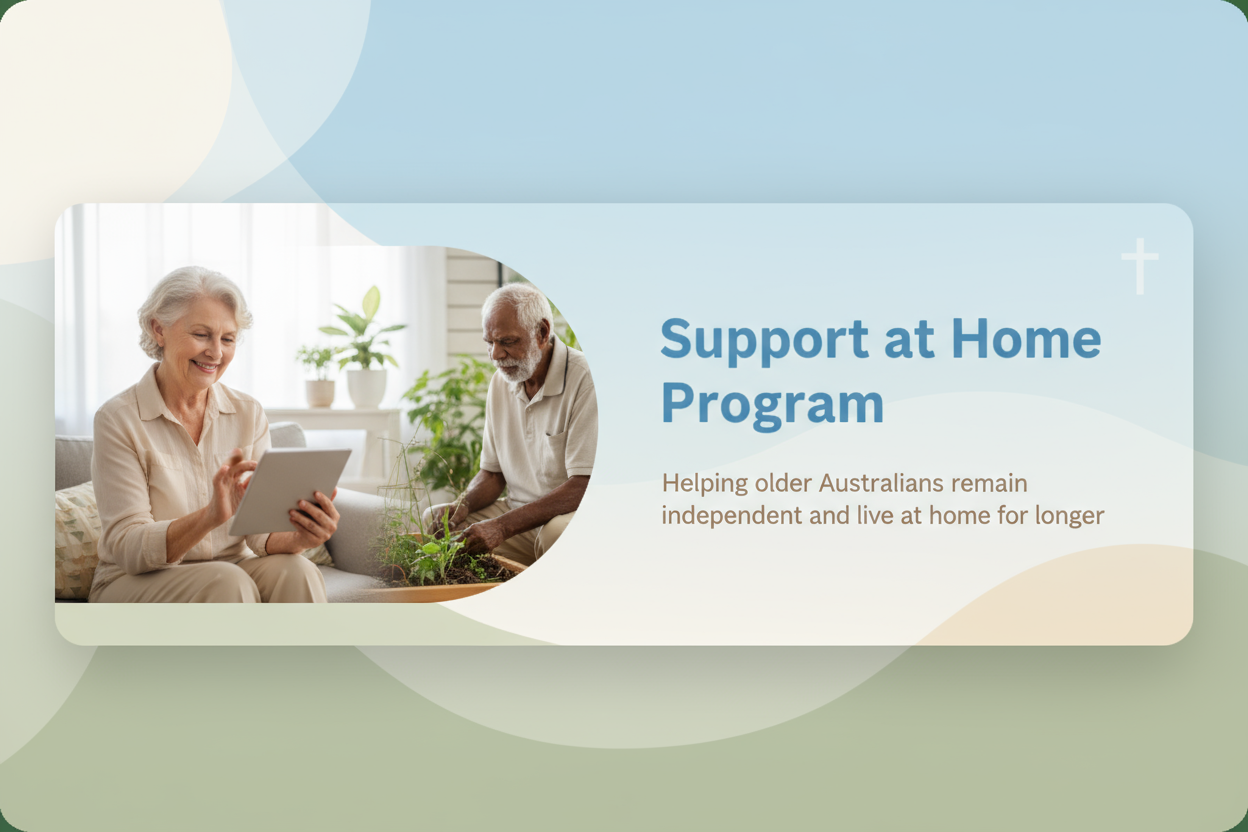
Purpose: To help older Australians remain independent and live at home for longer.
Eligibility: Available for people over 65 or Aboriginal and Torres Strait Islander people over 50.
New Features:
Increased funding (up to $78,000 annually).
Access to a care partner for support.
More focus on preventative care and early interventions.
A new pathway for end-of-life care to support dignity at home.
Benefits of the Support at Home Program
Higher Funding: Up to $78,000 per year to cover a range of in-home care services.
Care Partner Support: A dedicated person to help coordinate your care.
Faster Service Access: Reduced waiting times for receiving services.
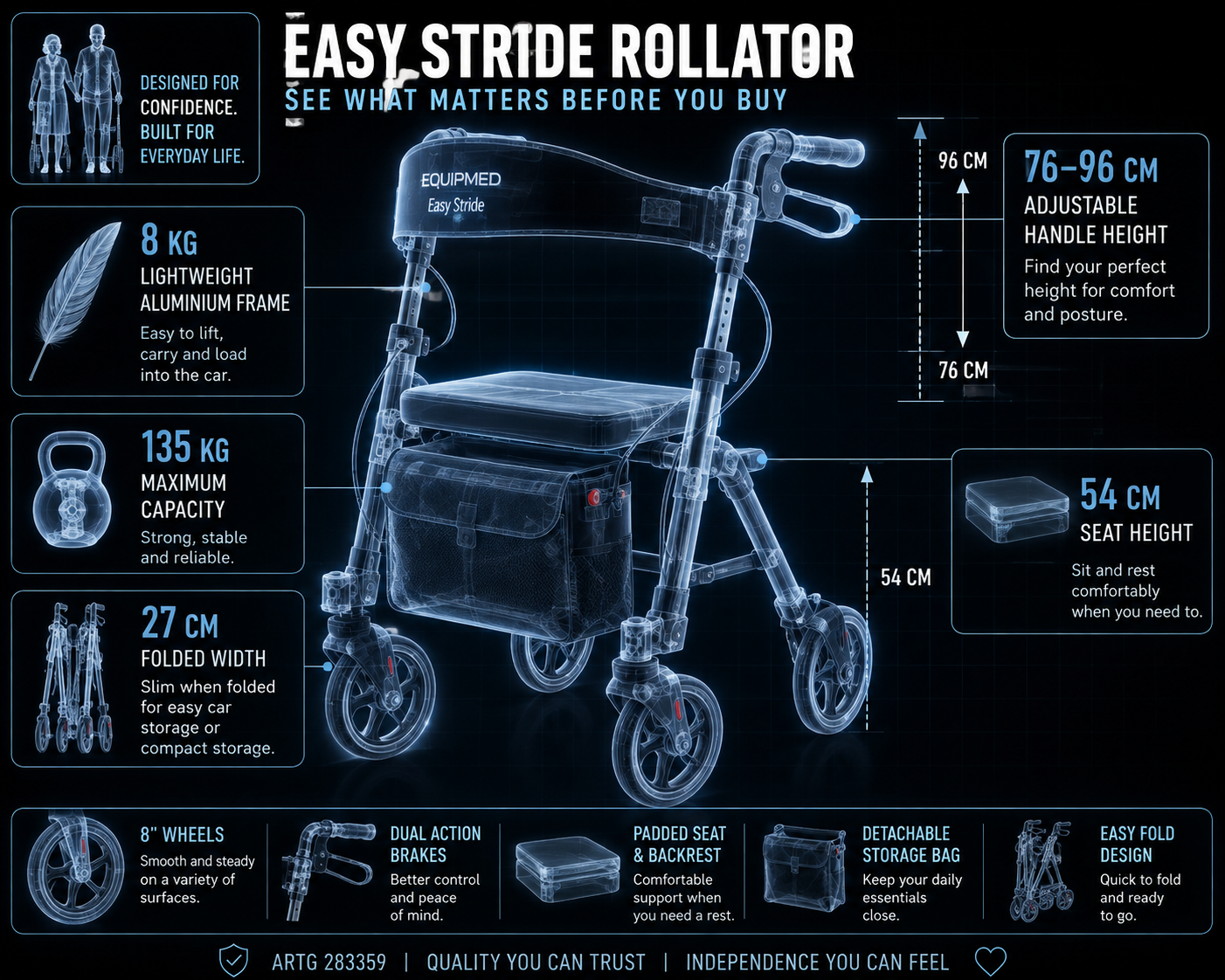
Assistive Technology & Home Modifications: Quick access to tools like walking aids and home safety improvements.
Expanded Restorative Care: More time (12 weeks) for restoring independence.
Assessment for Services:
You will be assessed based on your needs to determine what services are required.
Support Plan: A document created to outline your care needs and goals.
Service Providers:
You will have access to one main provider for your care.
If you prefer, you can choose your worker with support from the provider.
Quarterly Budgets:
Your allocated budget will be divided quarterly, with the option to roll over unspent funds.
You can use your budget for approved services like meals, cleaning, and medical aids.
Short-term Support:
Assistive Technology and Home Modifications: Get funding for mobility aids or modifications like shower rails.
Restorative Care Pathway: Support to regain independence after health setbacks.
End-of-Life Pathway: Additional services for those with three months or less to live, ensuring comfort at home.
Financial Contributions
Who Pays What:
The government covers most of the costs.
You may contribute to non-clinical services based on your income, but clinical care (e.g., nursing) is fully covered.
Contribution Rates:
Full pensioners pay 0% for clinical and independence services.
Part pensioners pay a sliding scale based on their income.
Self-funded retirees may pay up to 80% for some services.
Accessing Care Management Services
Care Planning: Helps you manage your care needs, goals, and preferences.
Coordination: Ensures that all services are provided as per your needs.
Flexibility in Services: You can self-manage your services, choose workers, or have a provider help with coordination.
Eligibility for the Program
People aged 65+ (or 50+ for Aboriginal and Torres Strait Islanders) who need assistance at home.
People currently on the Home Care Packages Program will transition to the new Support at Home system from November 2025.
The above information was pulled from the website below, provided by the Australian Government.
https://www.health.gov.au/resources/publications/support-at-home-program-handbook?language=en
Ways to contact them.
You can call us.
1800 200 422
You can send us an email.
agedcareengenquiries@health.gov .au
You can write to us.
Department of Health, Disability and Ageing
GPO Box 9848
Canberra ACT 2601
Australia
You can visit our website.
https://www.health.gov.au/our-work/aged-care-act
More Contact Information
https://www.health.gov.au/our-work/support-at-home/contacts
CLICK ON THE BLUE LINKS TO VISIT WEBSITES